


Personal Experience and the Broader Context of Postpartum Support
After childbirth, both the body and emotions undergo profound changes. While women are often expected to “return to normal” quickly, recovery has its own internal rhythm — a rhythm that the surrounding environment should first accept, understand, and respectfully adapt to, rather than the other way around.

I am writing this text not only as a homeopathic physician, but also as a mother of two. I had the opportunity to simultaneously live through and understand the processes I was experiencing—and it is precisely for this reason that I can now see even more clearly how much it would have meant to me to have had a broader spectrum of support at that time. Especially support that would consider not only the body, but also emotions, sensitivity, and the inner changes that accompany motherhood.
I first encountered potentized remedies and a holistic approach in 1995, during my first pregnancy, at a time when I was a final-year medical student. The speed and quality of relief after the application of potentized remedies in an acute condition I experienced in the fourth month of pregnancy while traveling abroad, left a deep professional as well as personal impression on me. That experience was strong enough to lead me, two years later, toward a three-year education in classical homeopathy, marking the beginning of my more systematic and dedicated work in this field.

Today, almost thirty years later, homeopathy is significantly more present in the community than it was at that time. More women recognize its potential as a gentle, individualized form of support, particularly during sensitive periods such as pregnancy and the postpartum phase. However, despite this growing presence, it is still insufficiently integrated into healthcare systems.
There are, however, different examples. In Switzerland , after years of evaluation and a political decision, homeopathy has been included in the system of mandatory health insurance when practiced by trained physicians¹, within the broader regulatory framework of Swiss health insurance². This decision was confirmed in 2017, giving complementary medicine a more stable place within the public healthcare system.
It is precisely in the postpartum period that the need for multi-layered support becomes especially evident—from family and close relations, to visiting nurses and gynaecological care, to additional forms of support such as doulas.

Within such a context, homeopathy may represent one way to further enrich the existing network of care, particularly when applied responsibly and in collaboration with conventional medicine.
Although contemporary research is still working to more precisely define its effects, certain systematic reviews point to the potential of individualized homeopathy around functional and subjective complaints³⁴. In this context, the meta-analysis by Mathie et al. (2014) is often cited, which the Homeopathy Research Institute (HRI) interprets as showing a statistically significant effect of individualized homeopathy compared to placebo, with the probability of a positive therapeutic outcome estimated to be approximately 1.5 to 2 times higher than in the placebo group. Within the HRI interpretation, this work is considered one of the relevant contemporary contributions to the discussion of the clinical effects of homeopathy, particularly in its individualized, classical form. Additionally, observational studies from everyday clinical practice, such as the study by Stub et al. (2018)⁴ on the use of homeopathy in primary healthcare, indicate comparable treatment outcomes with potentially fewer side effects, although such findings require cautious interpretation due to methodological limitations.
In the context of postpartum recovery , a contemporary randomized controlled trial is particularly noteworthy, showing that the use of Arnica montana i Bellis perennis may be associated with a smaller drop in haemoglobin after childbirth⁵.

How Homeopathy Views Postpartum Recovery
In classical homeopathy, the starting point is not the diagnosis, but the person.
The question is not only what is happening in the body, but also how the woman experiences it—physically, emotionally, and mentally.
In this context, the postpartum period can be viewed as a dynamic physiological process during which the organism strives to re-establish its internal balance (homeostasis). The appearance of various symptoms does not necessarily have to be interpreted solely as a pathological condition requiring elimination but can also be understood as an integral part of the organism’s adaptive and regulatory mechanisms during the phase of recovery and adjustment after childbirth.
Physical Recovery: Subjective Dimensions of Experience
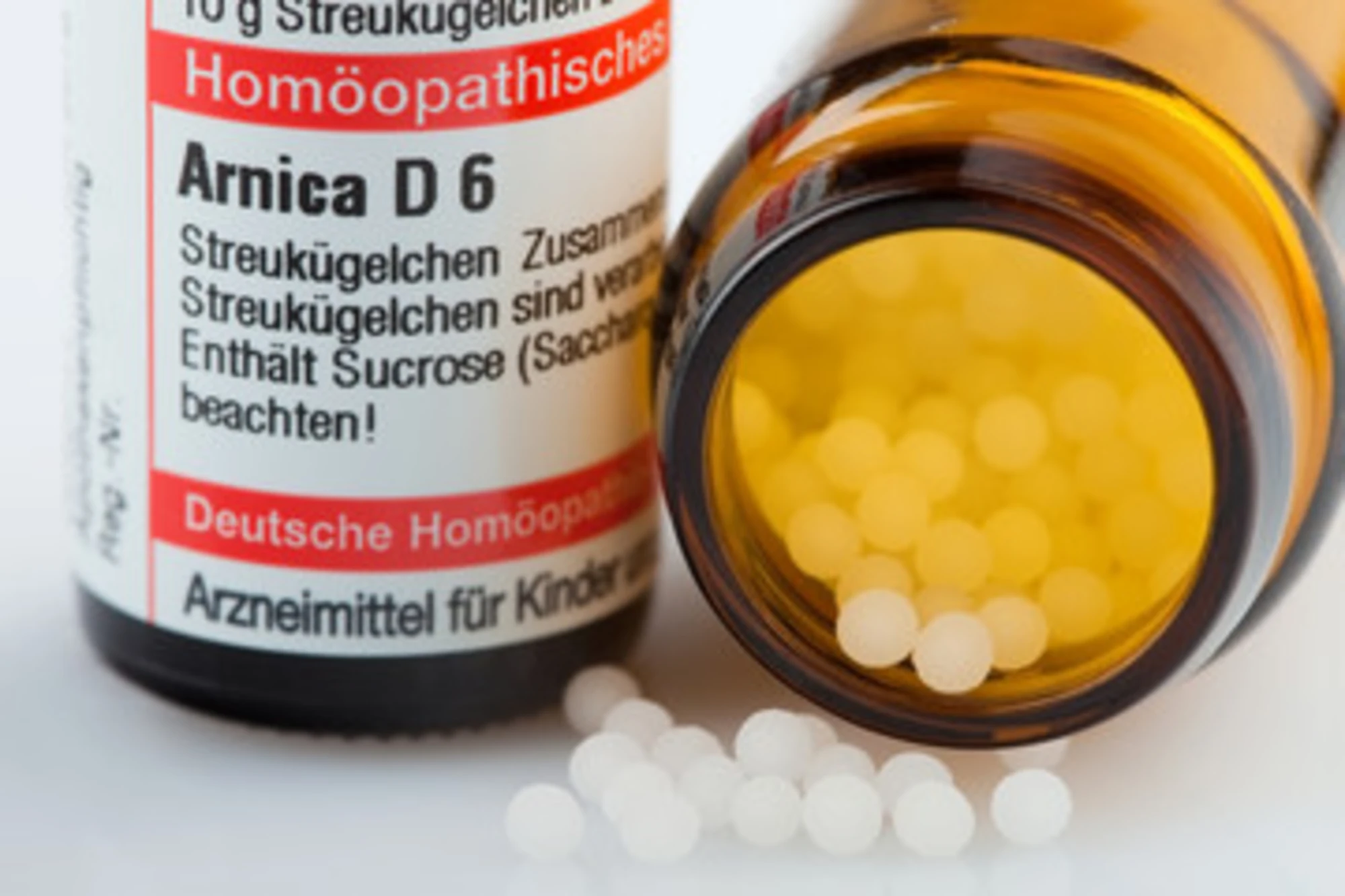
In the first days after childbirth, exhaustion and the consequences of physical exertion often dominate. When a woman describes her body as “bruised”, with soreness, sensitivity to touch, and a need for rest, this is often associated in homeopathic practice with Arnica montana, which in classical Materia medica is described as a typical remedy for the effects of trauma.
If the sensation is deeper—such as internal pain or sensitivity in the abdominal and pelvic region — Bellis perennis, may be considered, especially when recovery appears slower and “more deeply affected.”
In situations following surgical interventions, such as episiotomy or caesarean section, when painful incisions are accompanied by feelings of injury or suppressedreactions, Staphysagriais often encountered in practice, connecting the physical and emotional components of the experience.
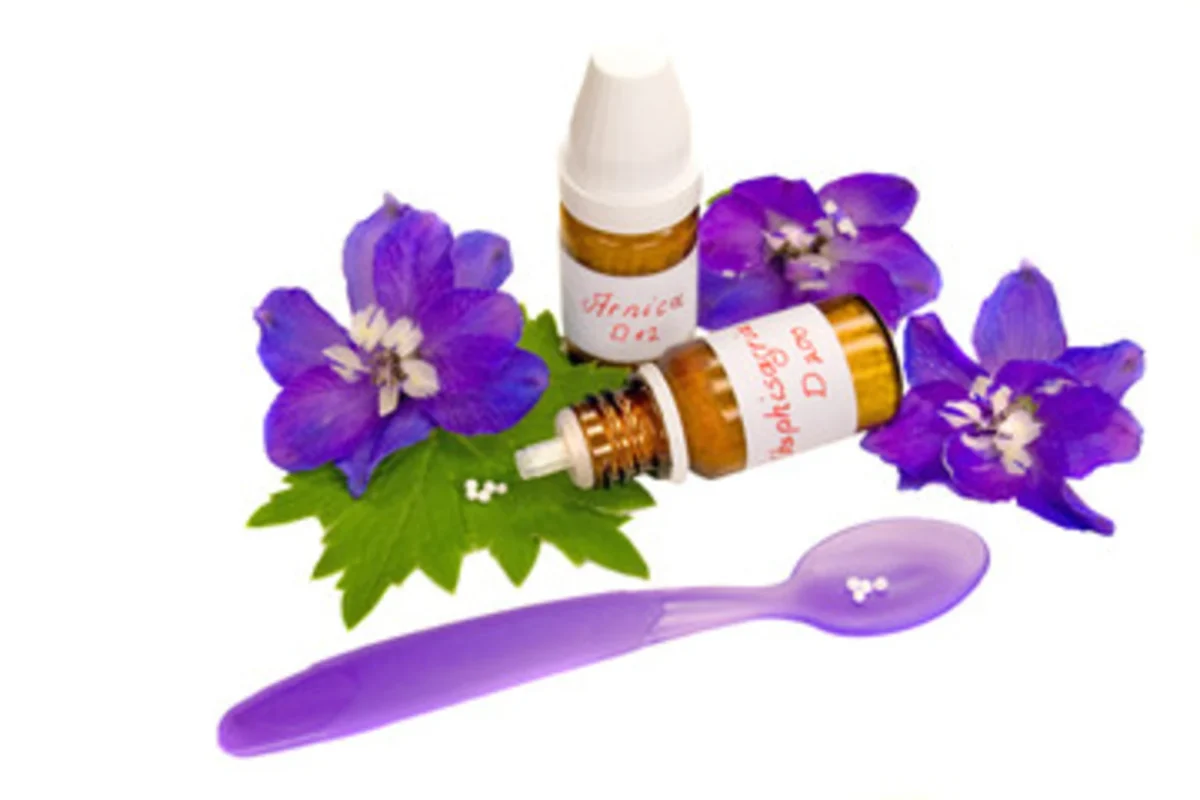
In a broader context, more recent reviews of research on the homeopathic preparation Arnica montana in recovery after trauma and surgical procedures indicate small but consistent clinical effects, with some studies reporting statistically significant reductions in pain and postoperative swelling⁶⁷⁸. These findings also align with the broader clinical use of homeopathy in hospital settings, where examples of its integration as a complementary therapy have been documented, including use in intensive care units⁹.

Emotional States: The Value of the Woman’s Subjective Experience
One of the most important aspects of the postpartum period is emotional dynamics. This process does not manifest in the same way in every woman but sdevelops through a unique and individual experience. It is precisely in recognizing and respecting this individuality that homeopathy shows its distinctiveness, approaching each woman with an understanding of her unity as a mind–body complex.
Some women need closeness, support, and tenderness—while others withdraw into themselves and find it harder to express emotions. In some, a sense of exhaustion and detachment may appear, even from their immediate surroundings.
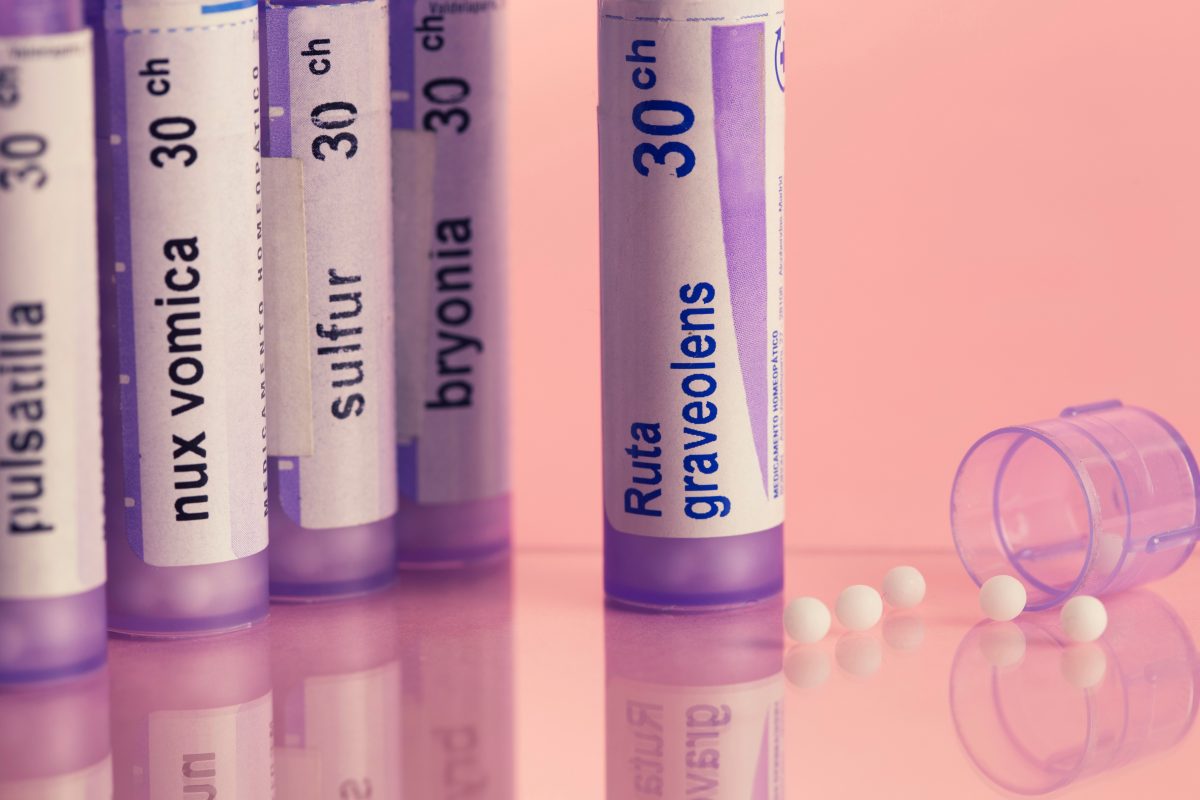
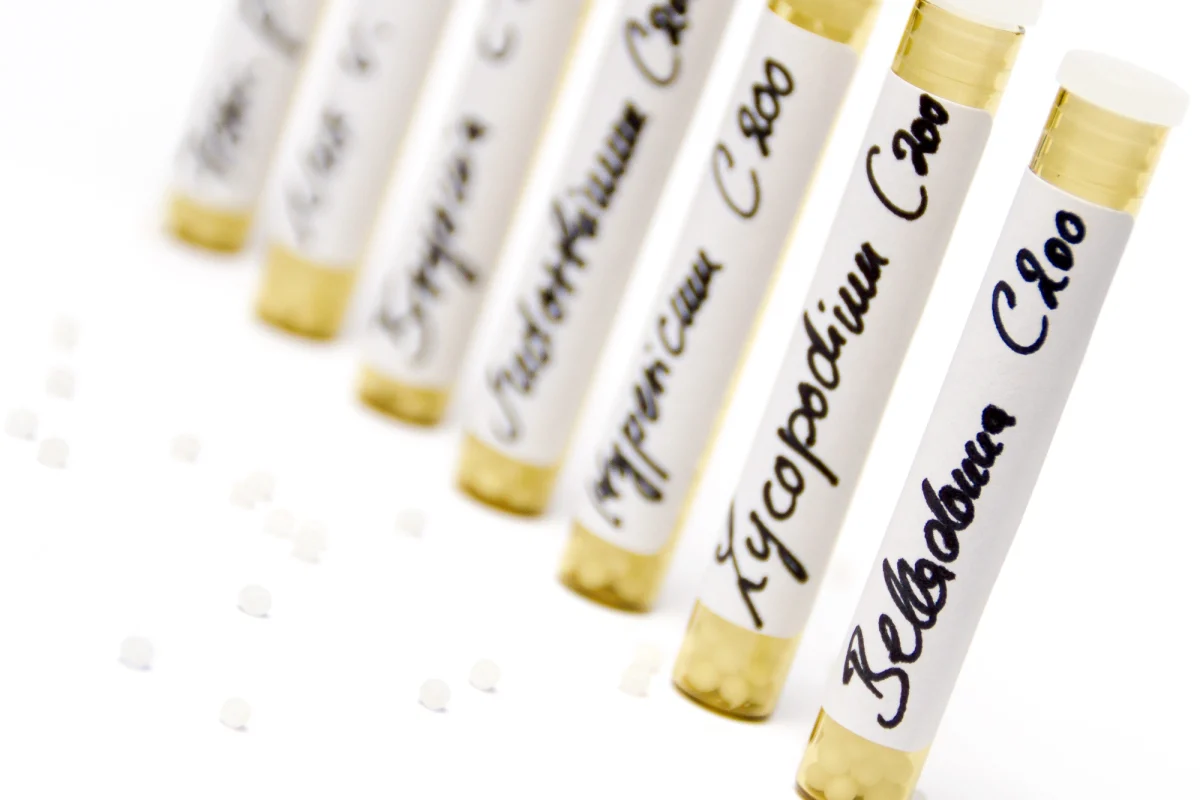
In homeopathy, such patterns are observed through individual remedy pictures: Sepia officinalis in emotional distance and exhaustion, Pulsatilla pratensis in the need for closeness and support, Natrum muriaticum in withdrawal and holding back emotions, and Staphysagria in inner hurt and suppressed reactions¹⁰.

I would like to emphasize that there is no single or “correct” way a woman should feel during this period.
Emotional experiences may be diverse, changeable, and sometimes contradictory, reflecting the complexity of the internal and external adjustments a woman is going through. This diversity does not represent deviation, but rather a natural expression of individual experience.
A message to the environment: these experiences need to be approached with the utmost understanding, without judgment or imposed expectations. Every emotional state carry meaning within the context of a personal story and adaptation process, and as such deserves to be recognized, accepted, and adequately supported.
Lactation: Between the Physical and Emotional
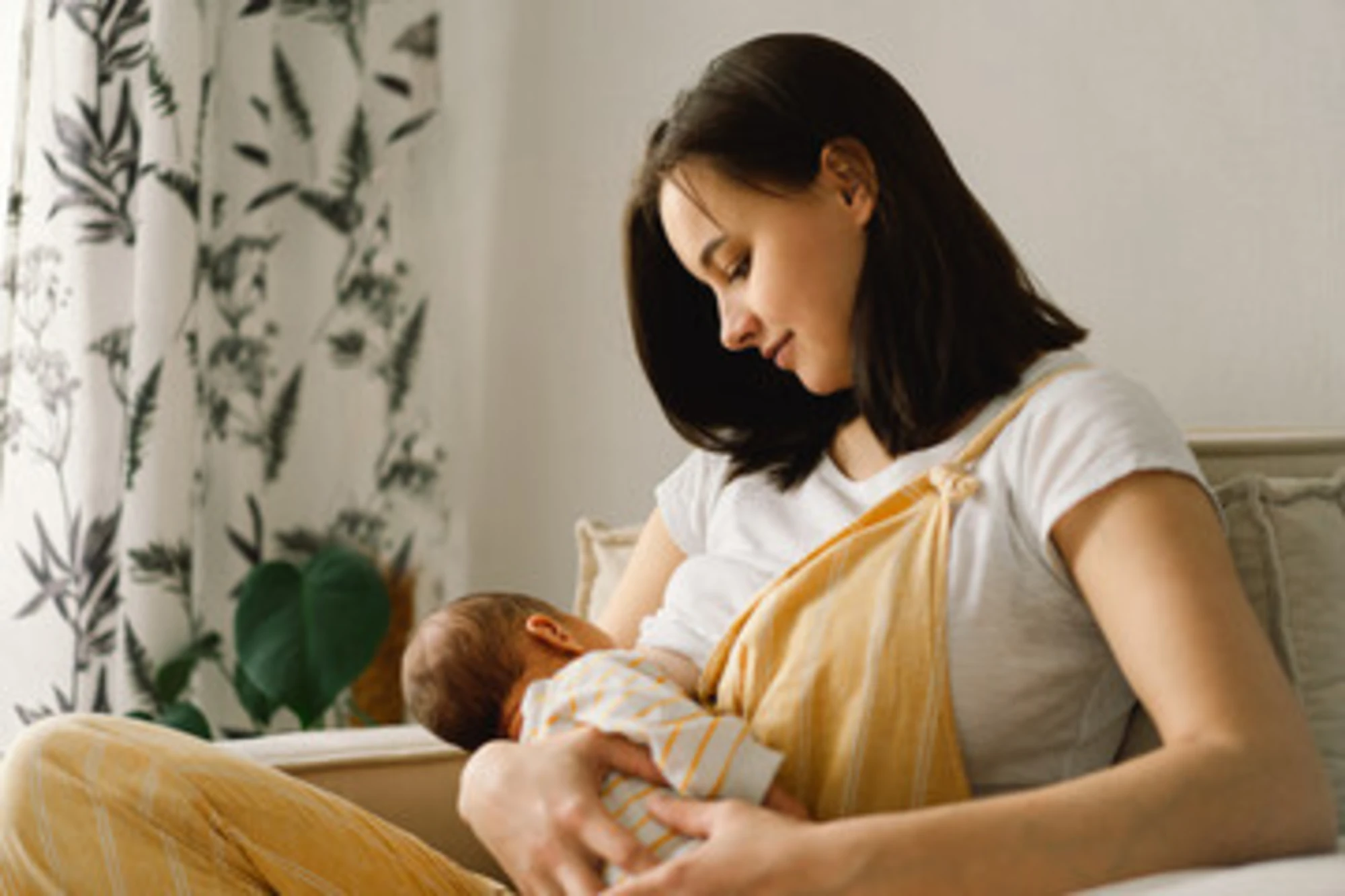
Breastfeeding challenges often arise unexpectedly and can further burden this period.
In the context of the postpartum period, studies have examined breastfeeding-related issues. In one randomized, double-blind study, a statistically significant reduction in breast pain and tension was observed in women receiving homeopathic treatment compared to placebo¹¹.
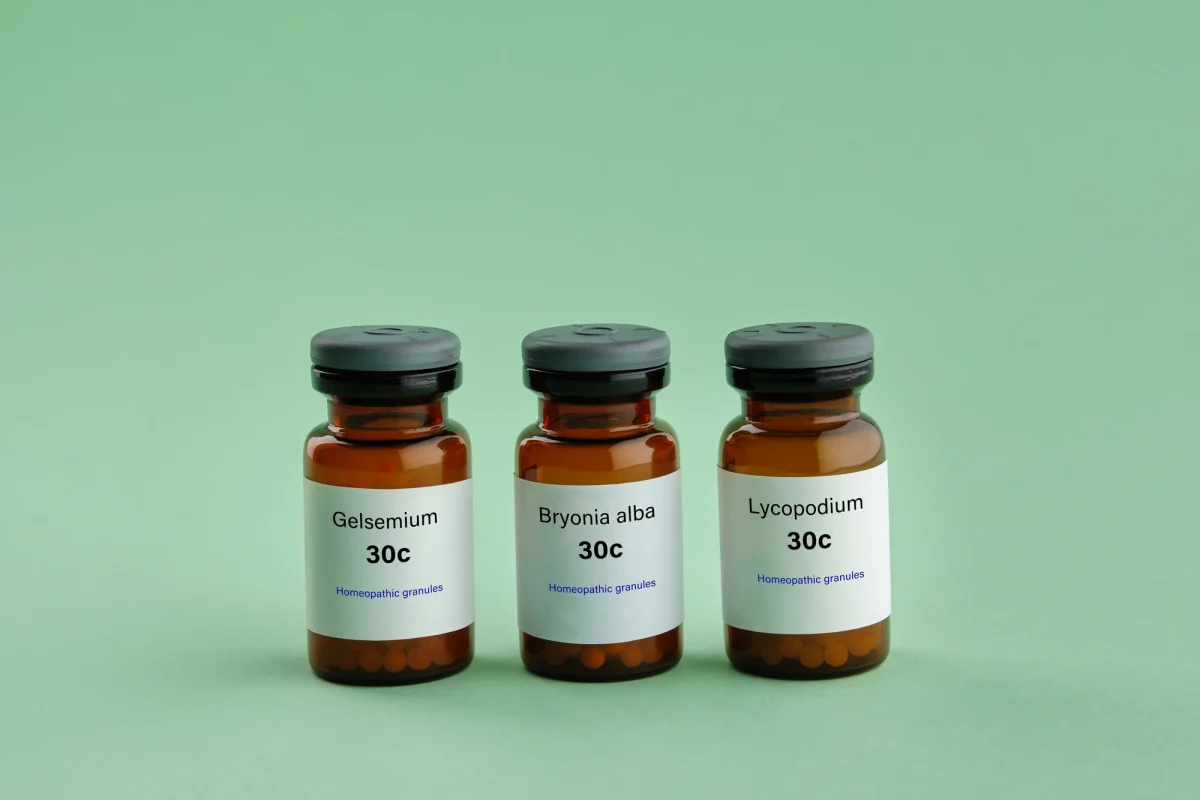
In cases of reduced lactation, especially when accompanied by exhaustion, a homeopathic preparation such as Urtica urens is mentioned in the context of stimulating milk production, while Ricinus communis is traditionally associated with the regulation of lactation, particularly in cases of excessive production¹². The indications for these remedies are further described in classical homeopathic Materia medica¹³, while variability in lactation associated with emotional states often points to the remedy Pulsatilla pratensis (nigricans), consistent with classical descriptions of the remedy, where emotional lability, changeability, and the need for support are key indications¹⁴.
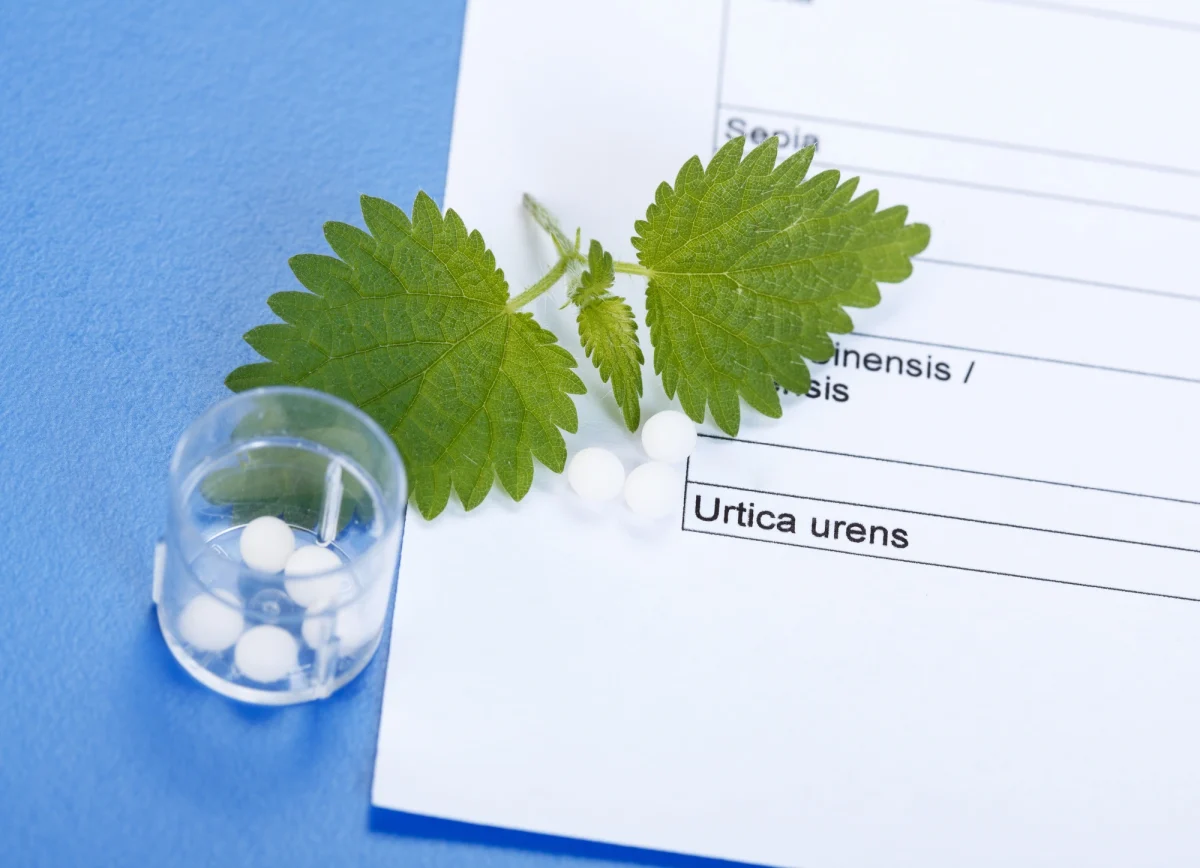
In cases of mastitis, the clinical picture may vary - sudden inflammation with redness and heat may correspond to Atropa belladonna¹⁵, while deep pain radiating during breastfeeding points to Phytolacca decandra¹⁵. If the pain worsens with movement and there is a need for rest, Bryonia alba may be considered¹⁵.
Systematic reviews examining the use of complementary medicine in pregnancy and the postpartum period confirm that such approaches are relatively frequently used in this context, while simultaneously emphasizing the need for higher-quality clinical research¹⁶.
Clinical Context and Responsibility
I would like to emphasize that this text represents a general framework.
For self-help , there are available manuals with more detailed guidelines, but in more complex, prolonged, or intense conditions , consultation with a trained homeopathic physician is recommended.
In recent times, homeopathy is often used as a complementary approach—alongside, not instead of, conventional medical care. Contemporary systematic reviews and meta-analyses point to the therapeutic potential of individualized homeopathy, particularly in conditions involving subjective and functional complaints. Such findings suggest the presence of a statistically significant effect of homeopathy, especially in individualized approaches, providing a basis for its use in clinical practice, while also recognizing the need for further methodologically robust research to more precisely define its effects¹⁷.
Conclusion
The postpartum period represents a unique time in a woman’s life, in which physical recovery and deep internal changes intertwine. The body heals, while emotional and identity aspects of her life are also transforming.
Homeopathy as a medical system , has developed through systematic observations, so-called provings— and continuous clinical work with patients over more than two centuries. This experience is not limited to one place or one school but has been shaped through the work of numerous physicians worldwide—from Europe and North America to India, as well as Central and Latin America. Homeopathy continues to be used in everyday clinical practice across the globe.
In the contemporary environment, this tradition is complemented by research findings and viewed through the lens of an integrative approach that respects scientific evidence, collective homeopathic clinical experience, and patient individuality.
Within this process, homeopathy has a valuable role—as a gentle, individualized form of support that accompanies a woman in her uniqueness. In this sensitive period, any adequate support that sees the woman in her wholeness can make a significant difference.

📚 LITERATURE
Literature
¹ Swiss Federal Office of Public Health (FOPH). Complementary medicine in Switzerland.
https://www.bag.admin.ch
Accessed: March 2026.
² Swiss Federal Office of Public Health (FOPH). Health insurance in Switzerland.
https://www.bag.admin.ch/en/health-insurance
Accessed: March 2026.
³ Mathie RT, et al. (2014). Randomised placebo-controlled trials of individualised homeopathy.
3, 142 (2014). https://doi.org/10.1186/2046-4053-3-142)
⁴ Stub T, et al. (2018). Homeopathy in primary care: a systematic review of comparative effectiveness studies. https://doi.org/10.1186/s12906-018-2242-0
⁵ Oberbaum M, et al. (2005). The effect of the homeopathic remedies Arnica montana and Bellis perennis on mild postpartum bleeding – a randomized, double-blind, placebo-controlled study. https://doi.org/10.1016/j.ctim.2005.03.006
⁶ Gaertner K, et al. (2021). Is homeopathic Arnica effective for postoperative recovery? A meta-analysis of placebo-controlled and active comparator trials. https://doi.org/10.3389/fsurg.2021.680930
⁷ Toma CC, et al. (2024). Arnica review.
https://doi.org/10.3390/plants13213112
⁸ Robertson A, et al. (2007). Arnica tonsillectomy RCT.
https://doi.org/10.1016/j.homp.2006.10.001
⁹ Frass M, et al. (2005). Adjunctive homeopathic treatment in patients with severe sepsis: a randomized, double-blind, placebo-controlled trial.
https://www.researchgate.net/publication/7347902_Adjunctive_homeopathic_treatment_in_patients_with_severe_sepsis_A_randomized_double-blind_placebo-controlled_trial
¹⁰ Kent JT. (2002). Lectures on Homeopathic Materia Medica. New Delhi: B. Jain Publishers.
¹¹ Berrebi A, et al. (2001). Treatment of pain due to unwanted lactation with a homeopathic preparation given in the immediate post-partum period. https://pubmed.ncbi.nlm.nih.gov/11431615/
¹² Eglash A. (2014). Treatment of maternal hypergalactia. https://pmc.ncbi.nlm.nih.gov/articles/PMC4216483/
¹³ Boericke W. (2013). Pocket Manual of Homeopathic Materia Medica. New Delhi: B. Jain Publishers.
¹⁴ Boericke W. (2013). Pocket Manual of Homeopathic Materia Medica. New Delhi: B. Jain Publishers.
¹⁵Boericke W. (2013). Pocket Manual of Homeopathic Materia Medica. New Delhi: B. Jain Publishers.
¹⁶ Hall HG, Griffiths DL, McKenna LG. (2011). The use of complementary and alternative medicine by pregnant women: A literature review. https://pubmed.ncbi.nlm.nih.gov/21247674/
¹⁷ Hamre HJ, et al. (2023). Efficacy of homoeopathic treatment: Systematic review of meta-analyses of randomised placebo-controlled homoeopathy trials for any indication. https://doi.org/10.1186/s13643-023-02313-2