


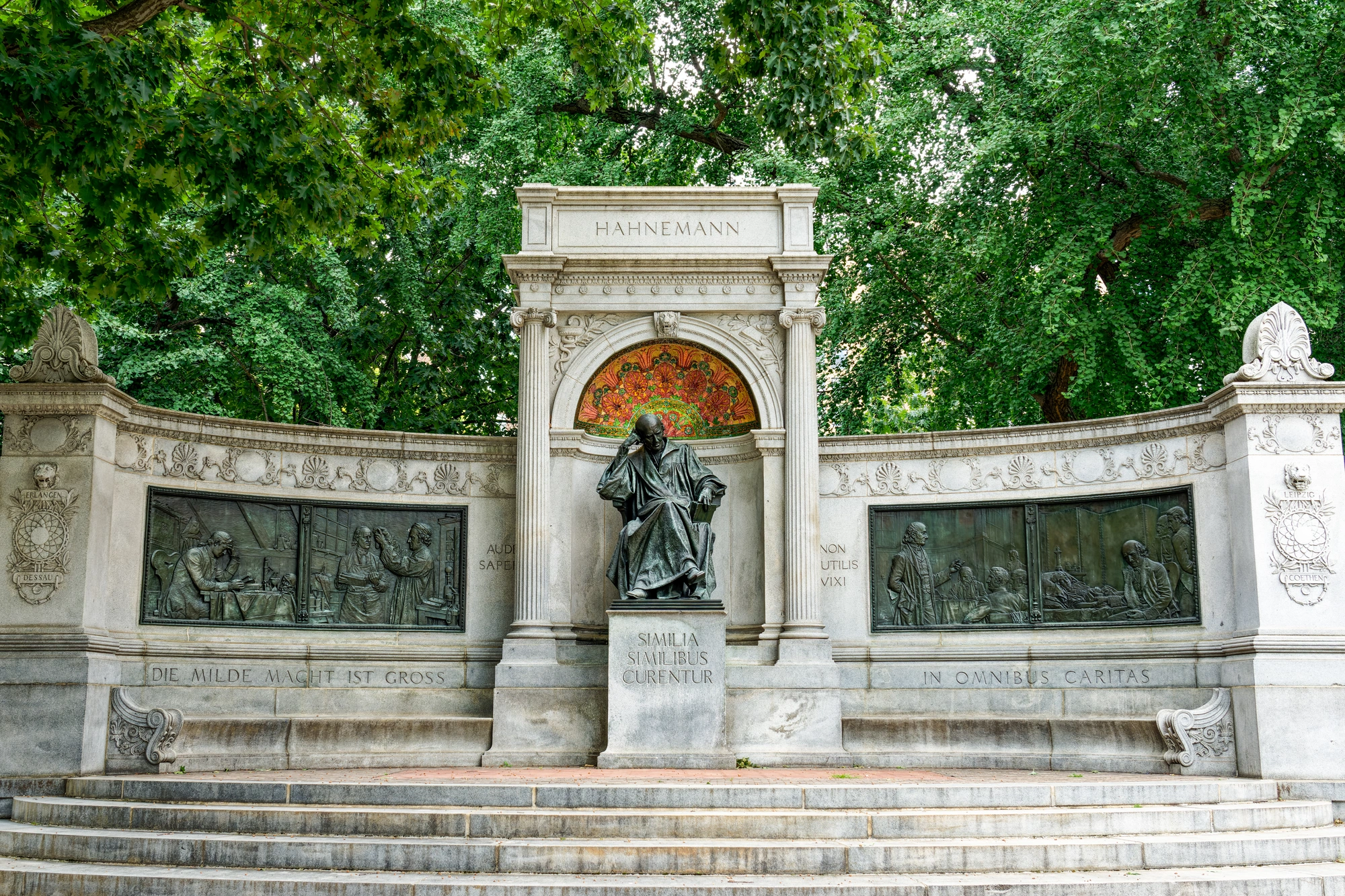
On World Homeopathy Day: Between Tradition and Modern Science
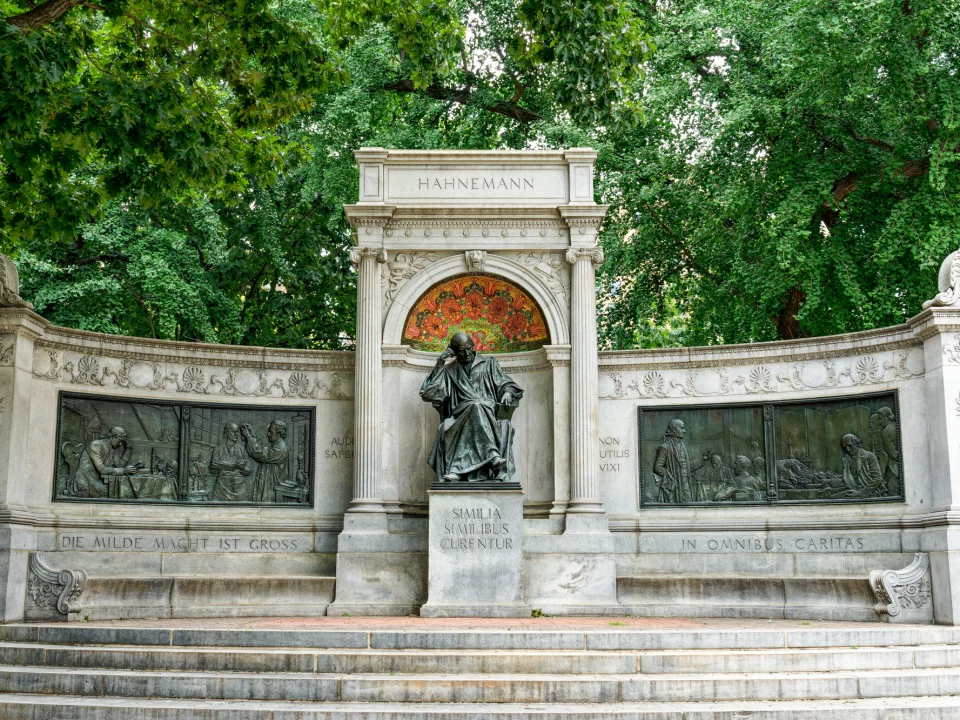
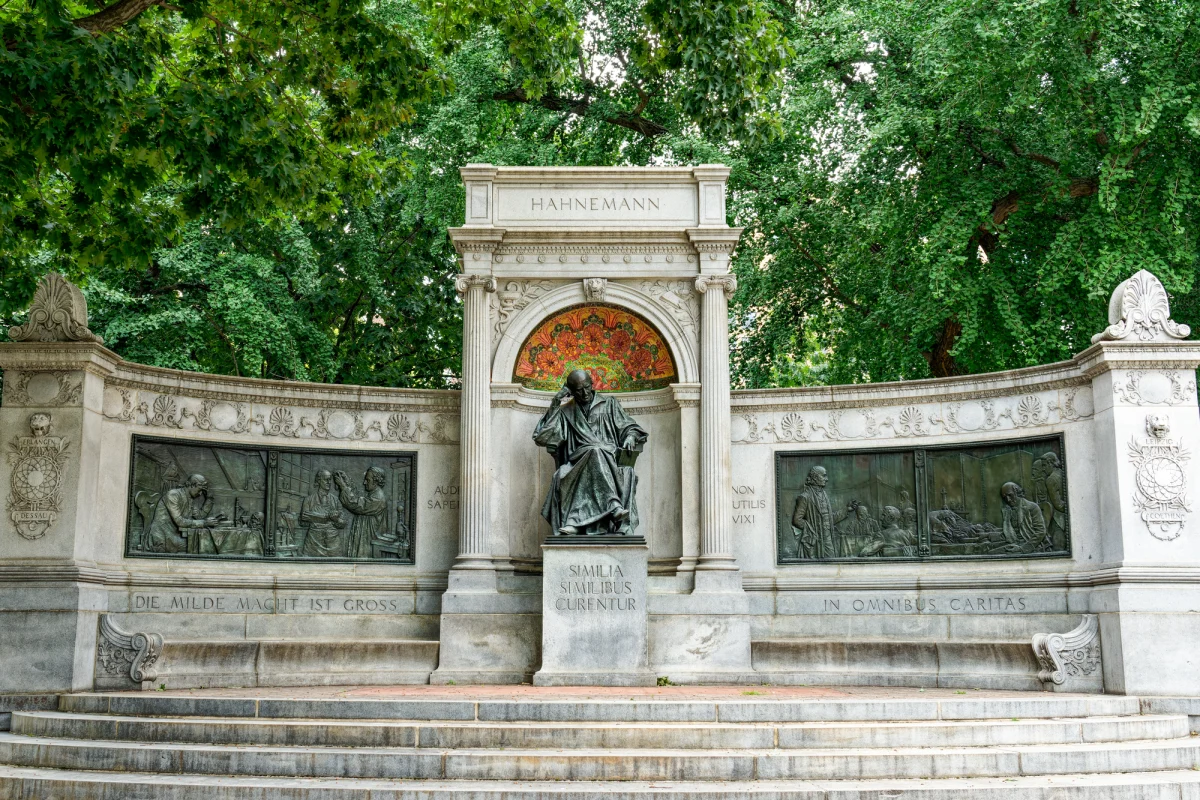
On World Homeopathy Day, celebrated every year on April 10 —the birthday of its modern founder, Samuel Hahnemann (1755–1843)—my intention is to reflect on the resonance of his visionary ideas and his tireless, lifelong work within contemporary medical practice and 21st-century science.
Can an 18th-century physician offer answers to some of the key challenges of contemporary medicine?
“A teacher affects eternity; he can never tell where his influence stops.”
— Henry Adams
📖 The Education of Henry Adams
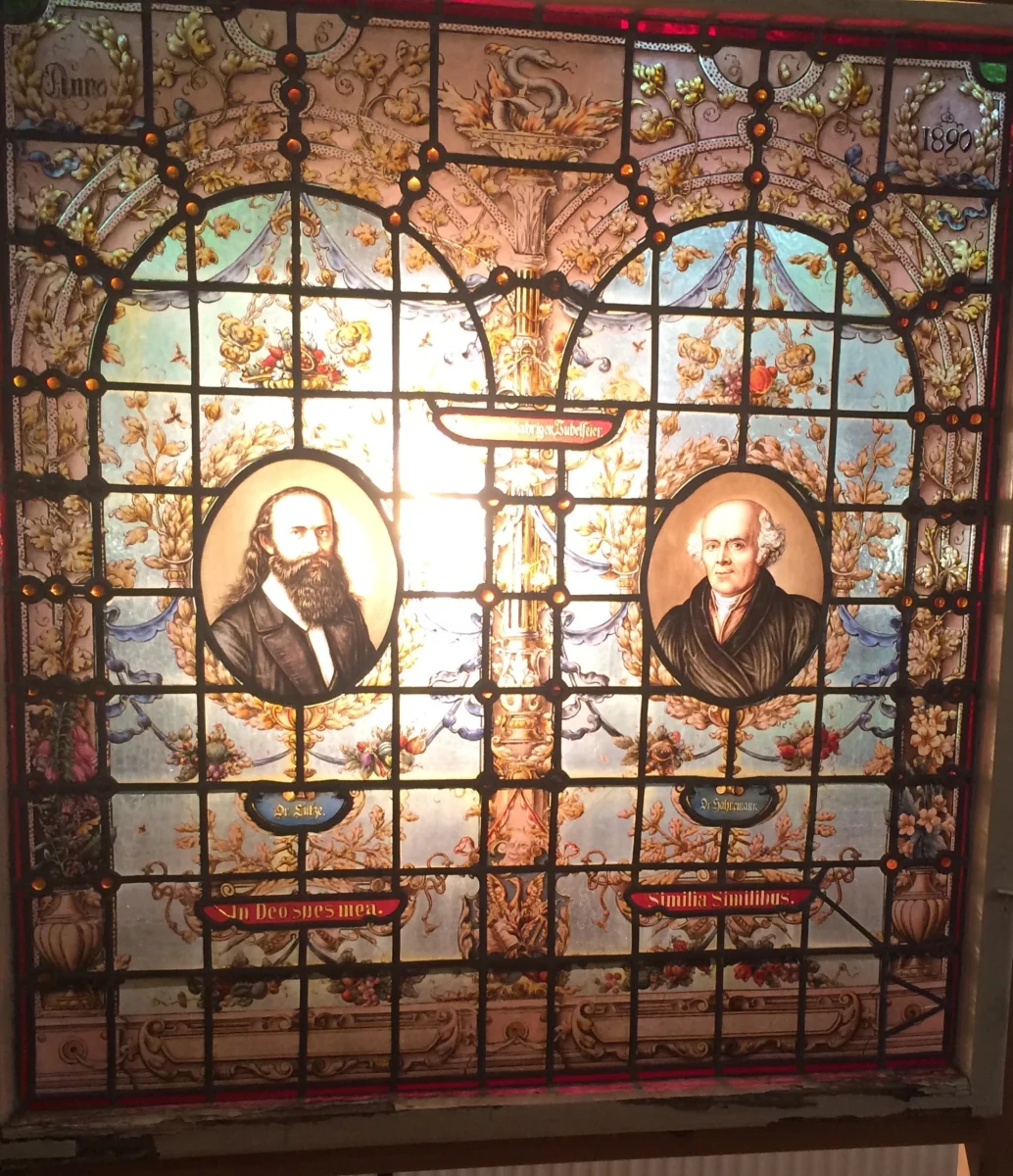
This thought powerfully illustrates the legacy of Dr. Hahnemann, whose influence extends across more than two centuries. Homeopathy does not merely represent a historical phenomenon or an archaic medical method, but rather a lasting, powerful, and indispensable reference point in the development of a personalized and gentle approach to treatment. Hahnemann’s homeopathy is an ideal example of personalized medicine, oriented toward the human being in the entirety of their complex physical and mental reality.
The need for personalized medicine is becoming increasingly pronounced due to the limitations of expensive and often insufficiently effective conventional therapies, especially in the treatment of chronic diseases. Despite progress, healthcare systems continue to face challenges related to sustainability and the complexity of disease, which encourages the development of integrative approaches.
This need for a shift toward integrative models of care has recently also been recognized by organizations that shape global health policy. One of them is the World Health Organization (WHO), which, in its recent strategic documents on traditional, complementary, and integrative medicine, emphasizes the need for more systematic integration of complementary therapeutic approaches into national healthcare systems¹. The objectives of the Global Strategy for Traditional Medicine 2025–2034 include improving the quality and safety of traditional treatment methods, strengthening regulatory frameworks, encouraging research, and ensuring the availability of therapeutic options that meet the needs of diverse populations.

Such an approach arises from the recognition that contemporary healthcare challenges require a pluralistic model of care, in which different therapeutic systems are not viewed as mutually exclusive but as potentially complementary, with appropriate scientific evaluation and a clear orientation toward patient well-being.
Today homeopathy representsa globally widespread form of complementary medicine used by approximately 200 million people worldwide, including around 100 million in Europe². In certain countries, it has also achieved formal public health status: in Switzerland , for example, it has been integrated into the system of mandatory health insurance following a referendum in 2009³; in India, it functions as an integral part of a pluralistic national healthcare system through the Ministry of AYUSH; while in Brazil, it is included in the public healthcare system, as confirmed by national health policies such as the Brazilian Policy on Integrative and Complementary Practices (PICS)⁵, which incorporates a wide spectrum of therapeutic approaches within the public health system.
From the perspective of scientific evaluation, the research base of homeopathy continues to evolve and now includes several hundred randomized controlled trials and systematic reviews⁶. Meta-analyses indicate statistically significant effects in certain indications, particularly in individualized approaches⁷, while long-term studies demonstrate stability of results and a high level of patient satisfaction⁸.

Contemporary developments also include new fields such as agrohomeopathy, which explores the application of homeopathic preparations in sustainable agriculture⁹, as well as experimental research into possible mechanisms of action of high dilutions¹⁰–¹¹.

Biographical sources, particularly the work of Thomas Lindsley Bradford, indicate that the fundamental traits shaping Hahnemann’s later scientific and clinical work were already present in the early period of his life. Growing up in modest conditions in Meissen, with a father who consciously encouraged independent thinking and i intellectual autonomy, Hahnemann developed, from a very early age, a pronounced curiosity, discipline, and a deep inclination toward analytical and critical reflection. Bradford particularly emphasizes his exceptional capacity for observation, precision in recording phenomena, persistence in seeking causal relationships, as well as an early sensitivity to discrepancies between theory and actual clinical experience.
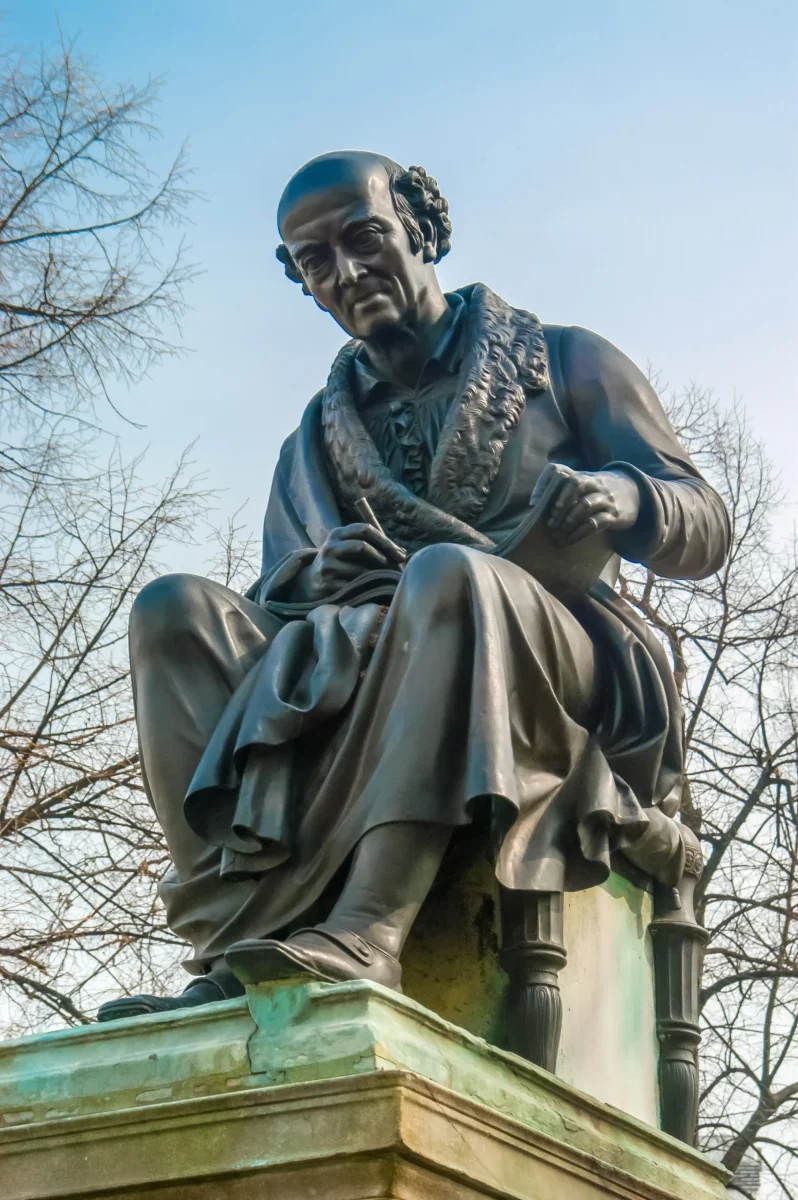
In addition, Hahnemann demonstrated remarkable linguistic talent i and breadth of education, which enabled him to access and critically evaluate the medical literature of his time. His readiness to question authorities and dominant doctrines—not on ideological, but on empirical and ethical grounds —gradually led him to distance himself from the therapeutic practices of the time, which he considered insufficiently grounded and often harmful to patients.
It was precisely these characteristics —openness of mind, intellectual curiosity, freedom from prejudice, the ability for careful observation , and a consistent orientation toward experience—that enabled him to recognize the limitations of the medicine of his time and to formulate a new therapeutic approach. His work did not arise from abstract theory, but from a continuous process of observation, verification, and self-critical evaluation.
In this sense, Hahnemann’s example transcends its historical context and points to a broader ideal of the medical mind —one that is simultaneously open to new insights yet capable of critically evaluating existing knowledge, its own assumptions, and everyday clinical practice. Such an approach, grounded in the combination of scientific curiosity, ethical responsibility, and experiential verification, remains today the foundation of any truly progressive and humane medical practice.
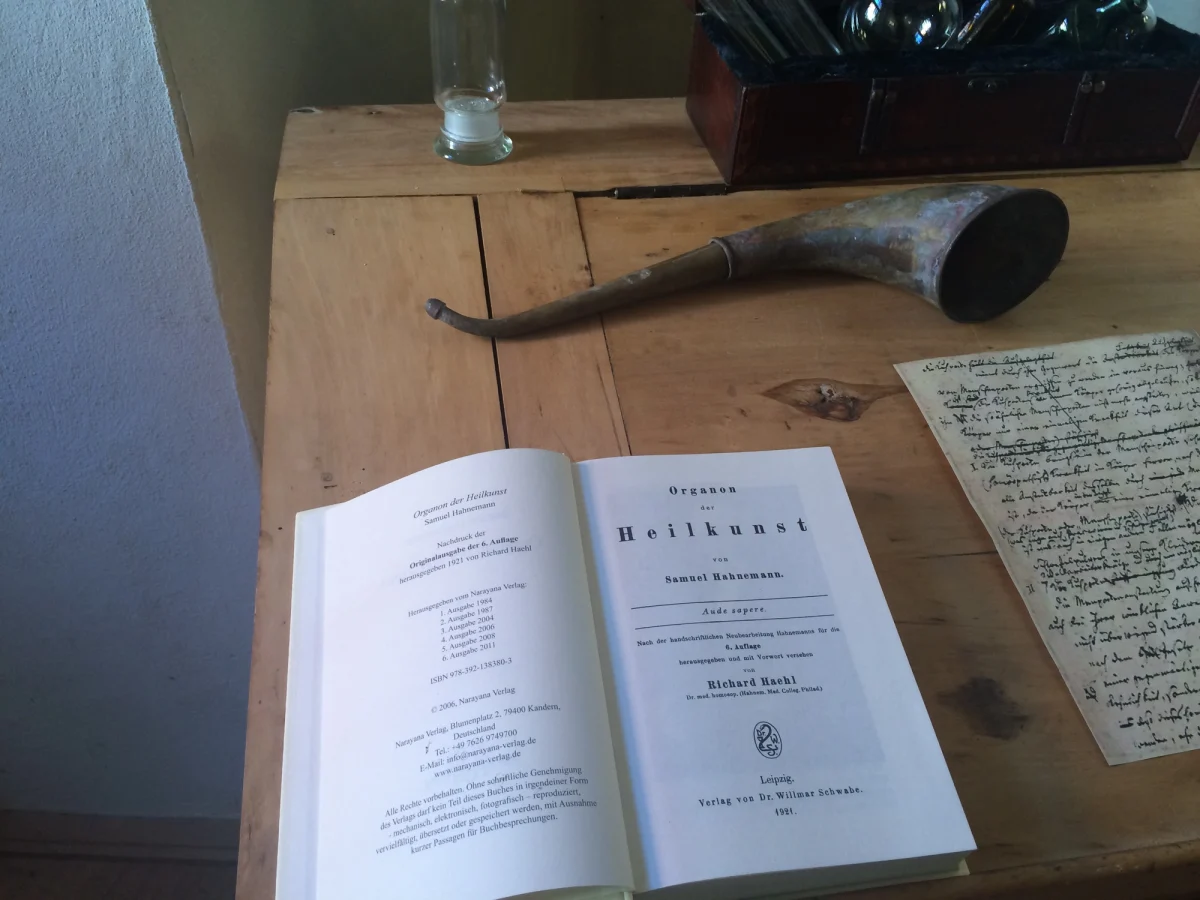
During the 19th century , homeopathy spread rapidly throughout Europe and North America, where hospitals, medical schools, and professional societies were established. In this expansion, a key role was played by physicians who developed and transmitted this method into new cultural and medical contexts. Constantine Hering (1800–1880) played a decisive role in the development of homeopathy in the United States , where, already during the 19th century, a strong professional organization emerged with the founding of the American Institute of Homeopathy (AIH) in 1844in New York, as the first national medical society in the United States¹². It is particularly noteworthy that the AIH was founded three years before the American Medical Association (AMA), established in 1847further testifying to the early institutional presence of homeopathy within the American medical landscape¹³. The AIH i to operate today as a highly active professional organization that brings together American and international physicians and promotes education, research, and clinical practice in the United States and worldwide. In Canada homeopathy is also institutionally present, particularly through regulatory bodies such as the College of Homeopaths of Ontario¹⁴, which oversees licensing and practice, as well as through educational programs and professional associations operating within integrative medicine.
Outside the Euro-Atlantic sphere, the spread of homeopathy from Europe to Asia, for example to India, began in the 19th century through the work of Johann Martin Honigberger, who introduced homeopathy at the court of Maharaja Ranjit Singh. Its later development was strongly shaped by local physicians such as Mahendra Lal Sircar and Rajendralal Dutta, who contributed to its expansion and acceptance within the Indian medical context. Today, India represents one of the most important global centres of homeopathy, with an institutional framework that includes the Ministry of AYUSH, the National Commission for Homoeopathy i and the Central Council for Research in Homoeopathy, ensuring that education, research, and clinical practice are systematically regulated and widely accessible⁴.
In Latin America, homeopathy has developed a strong and continuous medical tradition that remains active and clinically relevant today. In Mexico, it is institutionalized through the Escuela Nacional de Medicina y Homeopatía¹⁵, while its more recent development during the 20th century was marked by the work of the distinguished physician Proceso Sánchez Ortega. In Argentina the Asociación Médica Homeopática Argentina (founded in 1933)¹⁶ operates alongside active educational programs and clinical practice within integrative medicine, including the Escuela Médica Homeopática Argentina¹⁶ᵃ, one of the most influential schools of classical homeopathy in the region. In Colombia homeopathy is present through the Asociación Médica Homeopática Colombiana and ASCOHOM¹⁷, with the status of a medical specialty within the educational system. In Ecuador and i Uruguay regulatory and professional frameworks have been developed—including national health institutions and the regulation of homeopathic medicines (e.g., Decreto 404/016 in Uruguay) ¹⁸. In this sense, Latin America today represents one of the most vibrant and dynamic clinical centres of contemporary homeopathy, with several very strong schools of classical homeopathy, some of which provide highly rigorous, evidence-based homeopathic curricula (curriculum), such as Fundación Médica Homeopática Vitalis¹⁸ᵃ.
A particularly notable example of a high level of professional integration can also be found in South Africa, where homeopathy is a legally regulated healthcare profession under the supervision of the Allied Health Professions Council of South Africa, with university-level education and clearly defined clinical practice¹⁹.
In Rusia homeopathy has a long institutional tradition, with organizations such as the Russian Homeopathic Society and the Russian Homeopathic Association, as well as a continuous presence in medical education and professional congresses²⁰. In China its presence exists within the broader framework of complementary and integrative medicine, particularly in Hong Kong and Macau, where organizations such as the Hong Kong Association of Homeopathy provide continuous educational and clinical activity²¹.
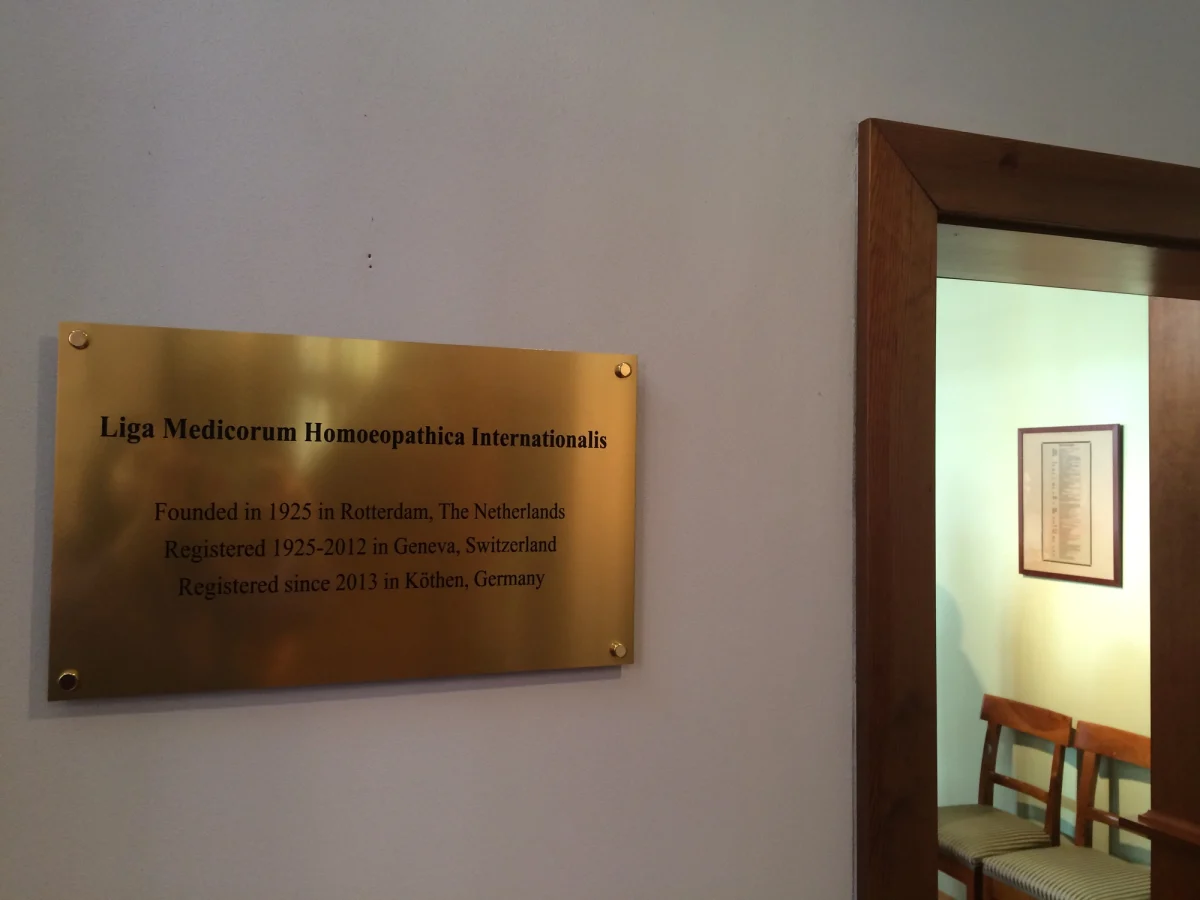
This historical and geographical breadth of homeopathy’s development points to its remarkable adaptability to different medical systems and cultural contexts, as well as to the enduring interest in an approach to treatment that transcends exclusively reductionist models of disease.
In both historical and contemporary contexts, homeopathy has, from its very beginnings, attracted the attention and trust of numerous prominent individuals from the fields of politics, science, and culture. Mahatma Gandhi described it as a “gentle and economical system of treatment” ²², while the British royal family, including King Charles III, is known for its long-standing support and use of homeopathy²³. In the United States, industrialist John D. Rockefeller used homeopathy throughout his life²⁴. In the 19th century many artists and intellectuals were in contact with homeopathy, some of whom, such as Charles Dickens, actively used it and supported its institutions, including the London Homeopathic Hospital (today the Royal London Hospital for Integrated Medicine) ²⁵.
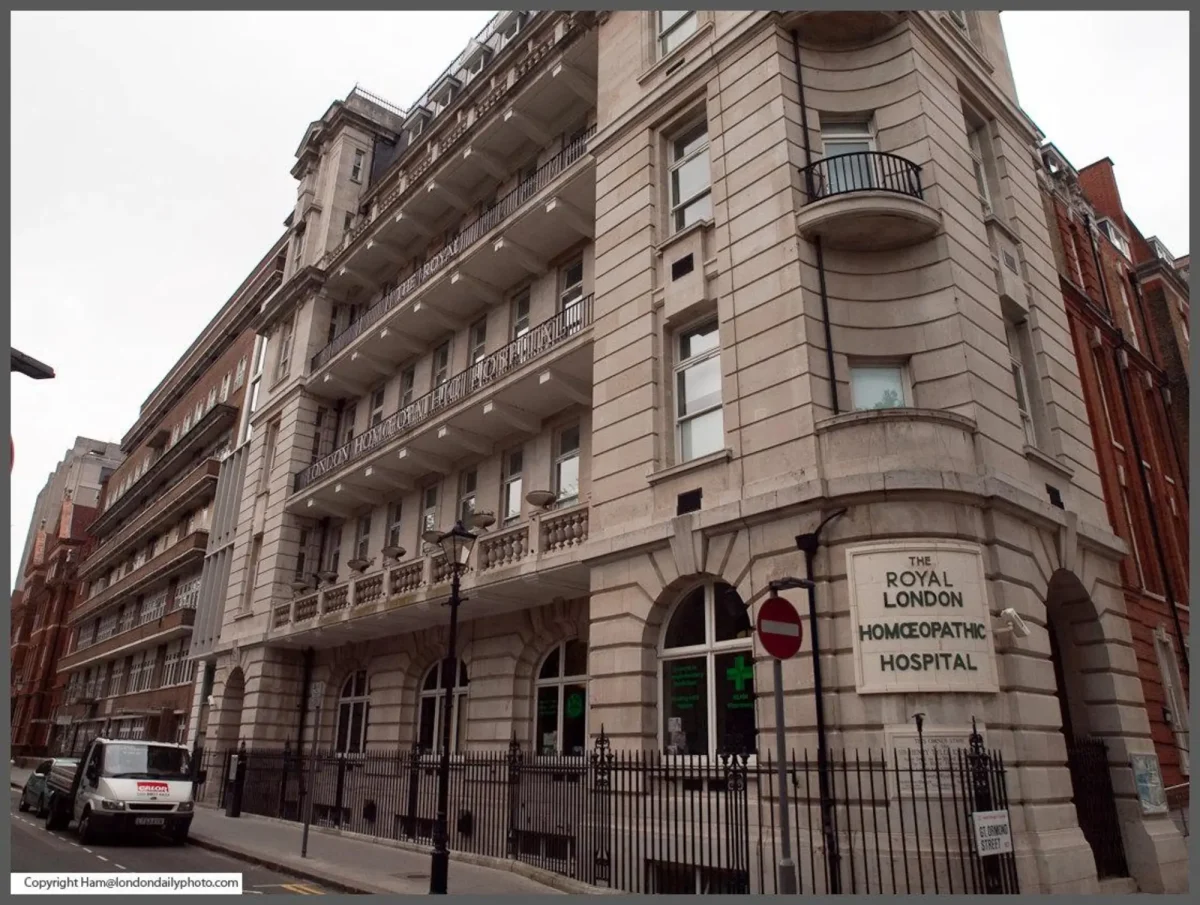
In the medical context, it is also important to emphasize that Sir William Osler, one of the founders of modern clinical medicine, in the early phase of his career was familiar with homeopathy and worked in an environment in which homeopathic hospitals and physicians constituted a significant part of medical practice, reflecting the therapeutic pluralism of the time²⁶.
In the contemporary period, homeopathy continues to maintain a presence in the cultural sphere, with certain artists and public figures, such as Paul McCartney and Tina Turner, mentioning its use in the context of personal healthcare. As Dana Ullman points out, interest in homeopathy among well-known individuals reflects a broader trend of acceptance of complementary therapeutic approaches in modern society²⁷.

The continuity of interest in homeopathy, as we can see, has been maintained to this day, further confirming that homeopathy, through different historical and social contexts, remains a relevant part of the broader medical and cultural paradigm.
May this anniversary serve as an encouragement to reflect on the values that Hahnemann represented: an individualized approach, careful observation, and respect for natural laws. These principles continue to transcend changes in medical paradigms and remind us of the importance of balance between technological progress and a humanistic approach to treatment.
Happy 271st anniversary of the birth of Dr. Hahnemann! I believe that this tribute and gratitude have found their way to your noble soul.
Thank you for all the sacrifice, for all the experiments and provings, for the invaluable treasure of the Materia Medica i the richness of homeopathic remedies that we know today. Thank you also for the health that, through the homeopathic method, has been granted to me and to the dearest members of my family. For the past 31 years, ever since I completed my medical studies, your method has faithfully accompanied me—becoming and remaining my first choice of treatment, to the extent that I have never felt the need to seek other solutions.
Thank you i to my many loyal patients —those for whom this method has brought relief and healing, as well as those in whom the outcome was not as we had hoped. Not as a reflection of the limitations of homeopathy itself, but as a reminder of the limits of my own knowledge, skill, and experience. It is precisely such experiences that have taught me humility, encouraged me to continue learning and deepen my understanding, and shaped me into a physician who continuously strives to grow in the service of health and the well-being of patients.
References:
- World Health Organization (WHO). Traditional, complementary and integrative medicine
Available at: https://www.who.int/teams/integrated-health-services/traditional-complementary-and-integrative-medicine/global-strategies - Homeopathy Research Institute. Use of homeopathy across the world. Available at: https://www.hri-research.org/resources/essentialevidence/use-of-homeopathy-across-the-world/
- Swiss Confederation. Complementary medicine referendum (Art. 118a)
Available at: https://www.fedlex.admin.ch/eli/cc/1999/404/en - Ministry of AYUSH (India)
Available at: https://www.ayush.gov.in
National Commission for Homoeopathy
Available at: https://nch.org.in
and the Central Council for Research in Homoeopathy
Available at: https://ccrhindia.ayush.gov.in - Ministério da Saúde (Brasil). Práticas Integrativas e Complementares em Saúde (PICS). Available at: https://aps.saude.gov.br/ape/pics
- Homeopathy Research Institute (HRI). Clinical trials overview. Dostupno na: Dostupno na: https://www.hri-research.org/resources/essentialevidence/clinical-trials-overview/
- Mathie RT et al. Randomised placebo-controlled trials of individualised homeopathic treatment: systematic review and meta-analysis. Systematic Reviews. 2014;3:142. Dostupno na: 3, 142 (2014). https://doi.org/10.1186/2046-4053-3-142)
- Witt CM et al. Homeopathic medical practice: Long-term results of a cohort study with 3981 patients. BMC Public Health. 2005;5:115. Dostupno na: https://doi.org/10.1186/1471-2458-5-115
- Betti L, Trebbi G, Majewsky V, Scherr C, Shah-Rossi D, Jäger T, et al.
Use of homeopathic preparations in phytopathological models and in field trials: a critical review.Homeopathy. 2009;98(4):244–266.Dostupno na: https://doi.org/10.1016/j.homp.2009.09.008 - Bellavite P, Marzotto M, Olioso D, Moratti E, Conforti A. High-dilution effects evisited. 1. Physicochemical aspects. Homeopathy. 2014;103(1):4–21. Dostupno na: https://doi.org/10.1016/j.homp.2013.08.003
- Chikramane PS, Suresh AK, Bellare JR, Kane SG.
Extreme homeopathic dilutions retain starting materials: A nanoparticulate perspective.
Homeopathy. 2010;99(4):231–242.
Available at: https://doi.org/10.1016/j.homp.2010.05.006 - American Institute of Homeopathy (AIH)
Available at: https://homeopathyusa.org - American Institute of Homeopathy. History of AIH – Our Heritage, Our Future. Available at: https://homeopathyusa.org/history-of-aih-our-heritage-our-future/
American Medical Association. AMA History. Available at: https://www.ama-assn.org/about/ama-history - College of Homeopaths of Ontario (Canada)
Available at: https://www.collegeofhomeopaths.com - Instituto Politécnico Nacional – Escuela Nacional de Medicina y Homeopatía. Médico Cirujano y Homeópata (program studija).
Available at: https://www.ipn.mx/oferta-educativa/educación-superior/ver-carrera.html?id=44&lg=es&nombre=Médico-Cirujano-Homeópata - Asociación Médica Homeopática Argentina (AMHA)
https://amha.org.ar 16a. Escuela Médica Homeopática Argentina “Tomás Pablo Paschero”: Available at: https://www.escuelapaschero.org.ar/ - Liga Medicorum Homoeopathica Internationalis (LMHI). Colombia – national homeopathic organisations.
Available at: https://lmhi.org/nvp-countries/colombia - Ministerio de Salud Pública (Uruguay). Decreto 404/016 – Marco regulatorio de los medicamentos homeopáticos.
Available at: https://www.gub.uy/ministerio-salud-publica/institucional/normativa/decreto-404016-marco-regulatorio-medicamentos-homeopaticos 18a. Fundación Médica Homeopática Vitalis (Argentina)Dostupno na: https://www.homeopatia.org.ar - Allied Health Professions Council of South Africa (AHPCSA)
Available at: https://ahpcsa.co.za - Liga Medicorum Homoeopathica Internationalis (LMHI) – Russia
Available at: https://lmhi.org/nvp-countries/russia - Liga Medicorum Homoeopathica Internationalis (LMHI) – China / Hong Kong
Available at: https://lmhi.org/nvp-countries/china - Mahatma Gandhi. Collected Works of Mahatma Gandhi
Available at: https://www.gandhiheritageportal.org - Faculty of Homeopathy. Royal Patronage and the Royal Family’s support for homeopathy.Dostupno na:
https://www.facultyofhomeopathy.org/pages/Patron - Ullman D. Rockefeller, the Flexner Report, and the American Medical Association: The contentious relationship between conventional medicine and homeopathy in America. 2025.
Available at: https://pmc.ncbi.nlm.nih.gov/articles/PMC12318542/ - Nicholls P. Homeopathy and the Medical Profession. Croom Helm; 1988. pp. 102–105.
Porter R. The Greatest Benefit to Mankind. HarperCollins; 1997. pp. 353–355.
University College London Hospitals NHS Foundation Trust. History of the Royal London Hospital for Integrated Medicine. Available at: https://www.uclh.nhs.uk/our-services/our-hospitals/royal-london-hospital-integrated-medicine/history-royal-london-hospital-integrated-medicine - Bliss M. William Osler: A Life in Medicine. Oxford University Press; 1999. pp. 90–95; Porter R. The Greatest Benefit to Mankind. HarperCollins; 1997. pp. 351–356.
- Ullman D. The Homeopathic Revolution: Why Famous People and Cultural Heroes Choose Homeopathy. Berkeley: North Atlantic Books; 2007. Available at: https://www.northatlanticbooks.com/shop/the-homeopathic-revolution/