



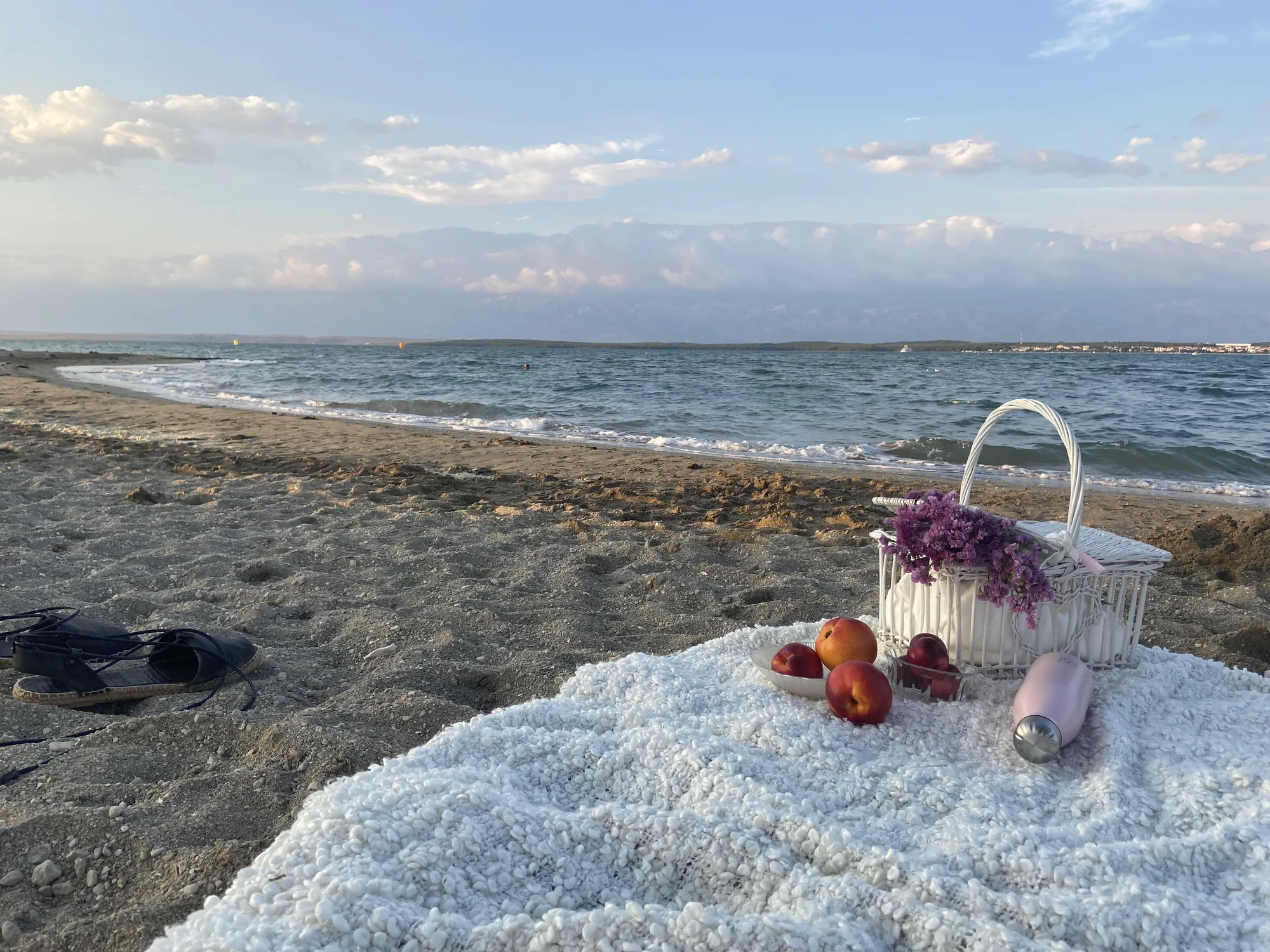
The tides shape the sea — and, in many ways, they shape life as well.
In a similar way, the female body moves through its own cycles of adaptation, strength, and fatigue. In the homeopathic materia medica, several remedies derived from marine substances frequently appear during these phases of life — among them Natrum muriaticum, Calcarea carbonica, and Sepia.
Throughout history, the sea has often symbolized the feminine principle in philosophy, literature, and medicine. Its rhythms of high and low tide echo the rhythms present in human physiology, particularly those connected with hormonal regulation, emotional life, and the reproductive cycles of women. Modern scientific disciplines such as psychoneuroendocrinology and systems biology increasingly highlight the complex interactions between the nervous, endocrine, and immune systems, as well as the influence of psychological and environmental factors on human health.
Long before such interdisciplinary perspectives became part of modern science, Dr. Samuel Hahnemann developed a medical system that viewed the organism as an integrated whole governed by the dynamics of the vital force. Within this framework he established the method of homeopathic pathogenetic trials (provings) — systematic testing of substances on healthy individuals in order to determine their drug picture. The symptoms observed during these provings — mental, emotional, and physical — form the foundation of the materia medica and allow practitioners to apply the law of similars (similia similibus curentur) in clinical practice.
What is a proving in homeopathy?
A homeopathic pathogenetic trial (proving) is a method used to investigate the effects of substances on healthy individuals. Volunteers record the mental, emotional, and physical symptoms that appear after taking a potentized preparation.
These symptoms form the foundation of the homeopathic materia medica materia medica and help the practitioner select a remedy according to the law of similars , choosing the medicine whose symptom picture most closely corresponds to the individual patient’s symptom picture.
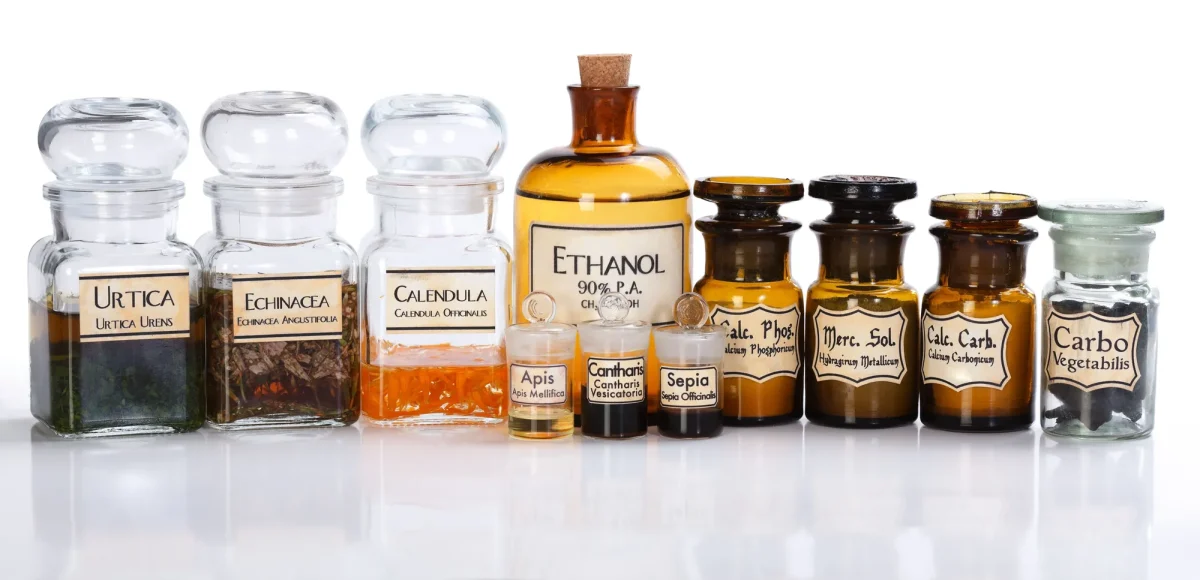
Among the many remedies described in the homeopathic materia medica, those derived from substances associated with the marine environment hold a special place. Three such remedies — Natrum muriaticum, Calcarea carbonica, and Sepia belong to the classical polychrests, remedies widely used in homeopathic practice. Their constitutional pictures have been extensively described in proving literature and confirmed through long-standing clinical experience among homeopaths.
Although these remedies are not used exclusively for women, certain aspects of their symptom pictures often correspond with physiological and emotional experiences that appear during different phases of a woman's life. In such situations the homeopathic practitioner considers the totality of symptoms — mental, emotional, and physical — in order to select the remedy that most accurately corresponds to the patient’s individual constitution.
Three classical homeopathic polychrests
Natrum muriaticum
is associated with deep emotional sensitivity and suppressed grief.
Calcarea carbonica
often corresponds to individuals who are reliable and responsible but gradually become exhausted under long-term obligations.
Sepia
frequently appears in states of chronic exhaustion and emotional withdrawal, particularly after prolonged physical or emotional strain.
Natrum muriaticum
When grief remains unspoken
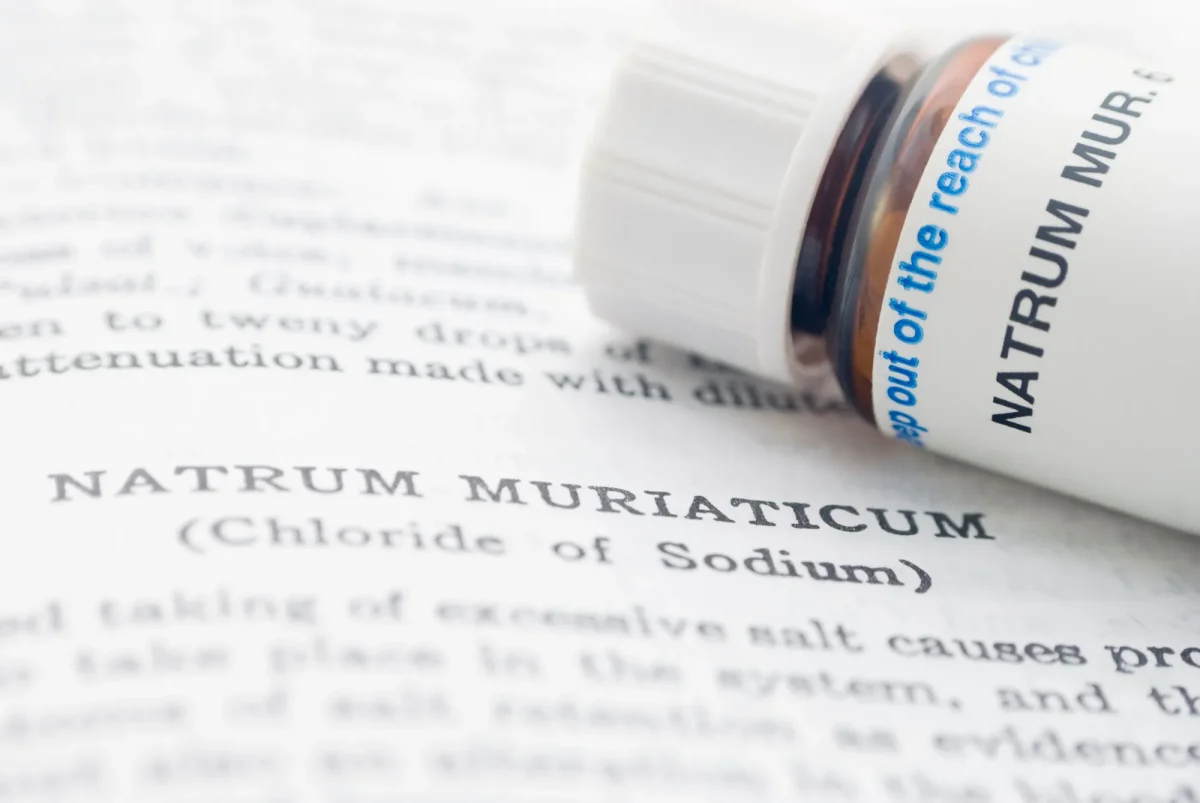
Natrum muriaticum is prepared from sodium chloride, a mineral salt present in seawater as well as in the physiological fluids of the human body. In the homeopathic materia medica, this remedy is considered one of the most important polychrests and often acts as a deep-acting constitutional remedy.

Its proving symptomatology, first described by Dr. Samuel Hahnemannand later expanded by authors such as Allen, Hering, and Kent, presents a characteristic mental-emotional picture marked by deep, often suppressed grief. One of its best-known mental symptoms is aggravation from consolation, where attempts at sympathy may intensify emotional pain rather than relieve it.
Individuals corresponding to this constitutional picture often show a strong tendency toward introspection and emotional reserve. They experience grief and disappointment quietly, avoiding open displays of emotion.
In provings and clinical practice several characteristic modalities frequently appear:
- pulsating or hammering headaches
- aggravation from sunlight
- dryness of mucous membranes
- palpitations after emotional excitement
- mental fatigue after intellectual effort
In clinical homeopathy, Natrum muriaticum is often associated with conditions in which long-suppressed grief or disappointment gradually disturbs the psychological and physical balance of the organism.
Calcarea carbonica
When responsibilities become too heavy
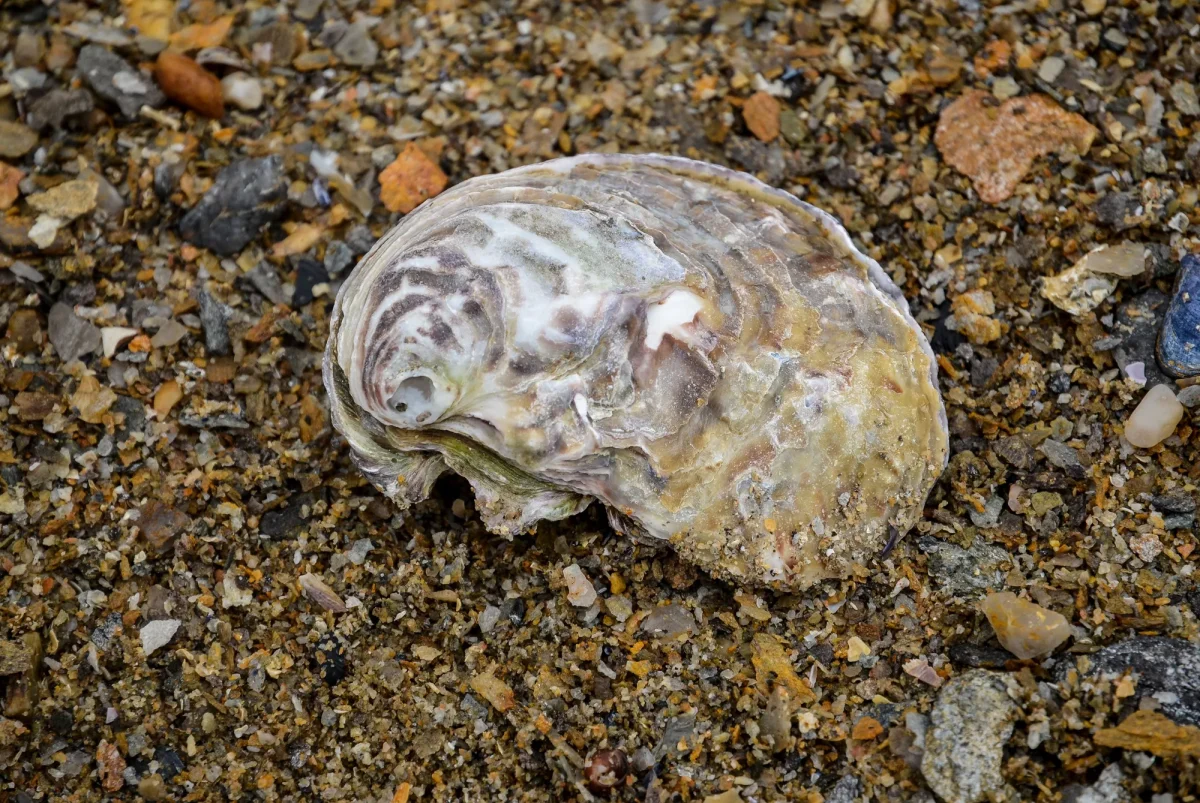
Calcarea carbonica is prepared from calcium carbonate obtained from the inner layer of the oyster shell (Ostrea edulis). In homeopathic literature this remedy represents one of the classical polychrests and is often used as a constitutional remedy in individuals whose vital energy gradually weakens under prolonged physical or emotional strain.
Proving symptoms described in the works of Hahnemann, Allen, and Kent portray a constitutional picture of a person for whom stability and security are of great importance. Mental symptoms often include:
- anxiety about health
- fear of misfortune
- worry about the future
- mental fatigue and difficulty concentrating
On the physical level the materia medica frequently describes:
- pronounced chilliness
- profuse sweating of the head during sleep
- slow recovery after exertion
- a tendency toward sluggish metabolism
In classical homeopathic doctrine, this constitutional picture is often associated with the psoric miasm, particularly in relation to increased sensitivity of the organism and slower adaptive responses to physiological stress.
In clinical practice Calcarea carbonica often corresponds to individuals who are conscientious, responsible, and caring, yet gradually begin to feel overburdened by obligations when prolonged physical or emotional demands exceed their available energy reserves.
Sepia
When it is time to withdraw and renew
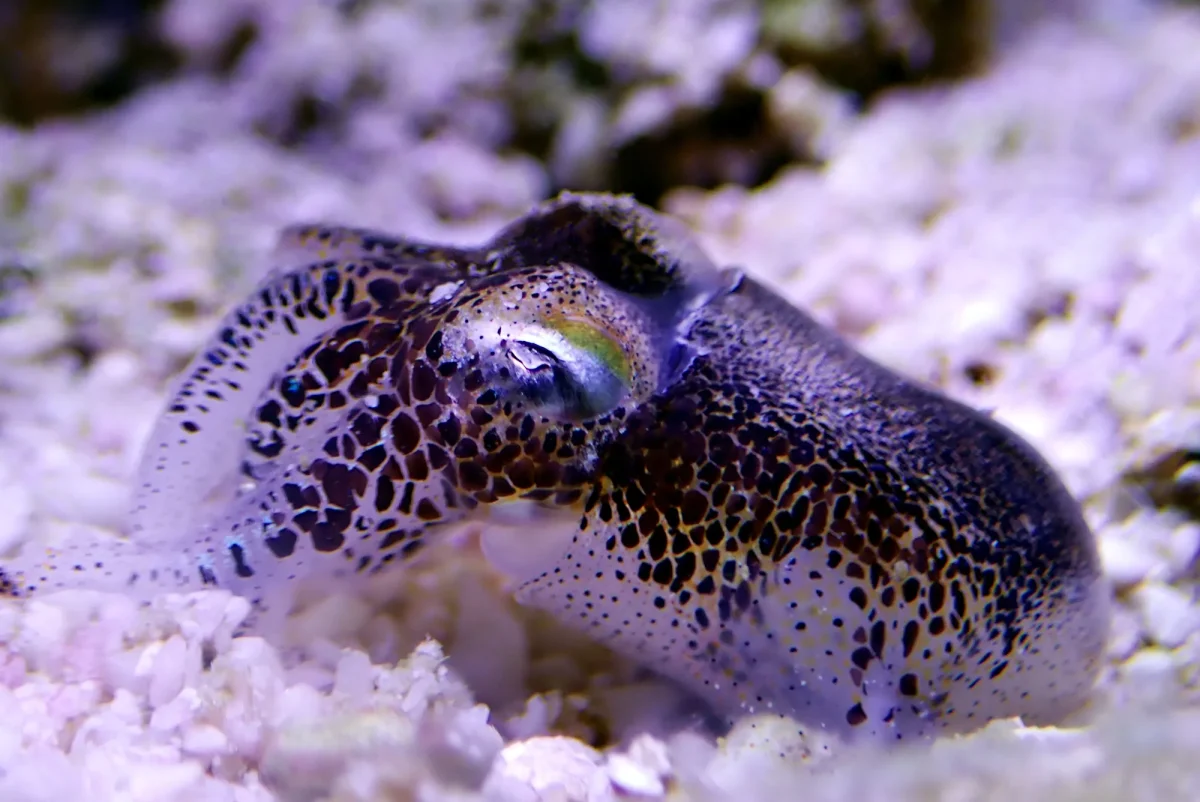
Sepia officinalis is prepared from the ink of the cuttlefish and is one of the most important remedies in gynecological and hormonal materia medica. Hahnemann conducted the first proving of this remedy, the results of which were published in Materia Medica Pura.
In classical homeopathic literature Sepia represents the constitutional picture of a woman whose long-term physical and emotional demands have led to a gradual exhaustion of vital energy.
Mental symptoms often include:
- emotional indifference toward family members
- irritability
- a strong desire for solitude
One of the most characteristic physical symptoms is a sensation of heaviness or pressure in the pelvis (downward pressure) , as if the organs were being pushed downward. This sensation is often temporarily relieved by crossing the legs or vigorous movement, representing an important modality of improvement.
The British homeopath Margaret Lucy Tyler described Sepia as the “washerwoman’s remedy,”, emphasizing its association with chronic physical and emotional exhaustion in women who have long been burdened with caring for others.
Homeopathy and individualization
In homeopathy, a remedy is not selected solely on the basis of a disease diagnosis but according to the overall symptom picture of the individual.
This process is called individualization and involves observing the patient’s mental, emotional, and physical characteristics in order to find the remedy whose constitutional picture most closely corresponds to that person.
Rhythms of the sea and rhythms of the body
The sea is not only a source of substances from which certain homeopathic remedies are prepared; it also represents a powerful metaphor for the dynamics of the human organism. Just as the ocean passes through cycles of tides, storms, and calm periods, the human regulatory system also moves through phases of adaptation, exhaustion, and renewal.
In this context, the constitutional pictures of Natrum muriaticum, Calcarea carbonica and Sepia can be seen as three different patterns of response to long-term emotional and physiological challenges.
Applied according to the principles of individualization and the law of similars, these remedies do not act directly on individual symptoms. Instead, they stimulate the organism’s regulatory mechanisms, allowing the gradual restoration of functional balance.
Like the sea, which slowly and almost imperceptibly shapes the coastline over time, the process of healing in homeopathy often unfolds gradually. Potentized remedies do not impose change upon the organism; rather, they stimulate its own regulatory capacities to restore harmony between physical, emotional, and mental aspects of life.
Perhaps this is why the sea has inspired physicians, philosophers, and poets for centuries. Its rhythms remind us that change, adaptation, and renewal are integral parts of life. In this sense, homeopathic remedies of marine origin remain a fascinating reminder of the deep connection between nature and human health.
Literature
Hahnemann, S. Organon of Medicine. 1842/1996.
Allen, Timothy F. The Encyclopedia of Pure Materia Medica. 1874–1879.
Boericke, William. Pocket Manual of Homoeopathic Materia Medica. 1927.
Hering, Constantine. The Guiding Symptoms of Our Materia Medica. 1879–1891.
Kent, James Tyler. Lectures on Homoeopathic Materia Medica. 1905.
Tyler, Margaret Lucy. Homoeopathic Drug Pictures. 1910.
McEwen, Bruce S. “Physiology and Neurobiology of Stress and Adaptation.” Physiological Reviews. 2007.